
Running Gear
Things you might see other runners wearing
For those new to running (or other forms of working out), you’ll quickly realize the plethora of equipment in use by others in your sport of choice. Navigating the array of gear available can be both exciting and daunting. It is easy to get caught up in the idea that you need this trinket or that water bottle. In reality, there is very little, depending on the sport, that is required to participate. Obviously this post will be about gear a runner could utilize before, during and after workouts.
Note: I am male and a casual runner so much of what I write about in this blog will be from that perspective. I don’t have a deep enough understanding of women’s clothing to really speak to that aspect. For information more specific to female athlete needs, search the internet or ask a sales associate at a sporting goods store.
Additional Note: Links found below to products are products that I use.
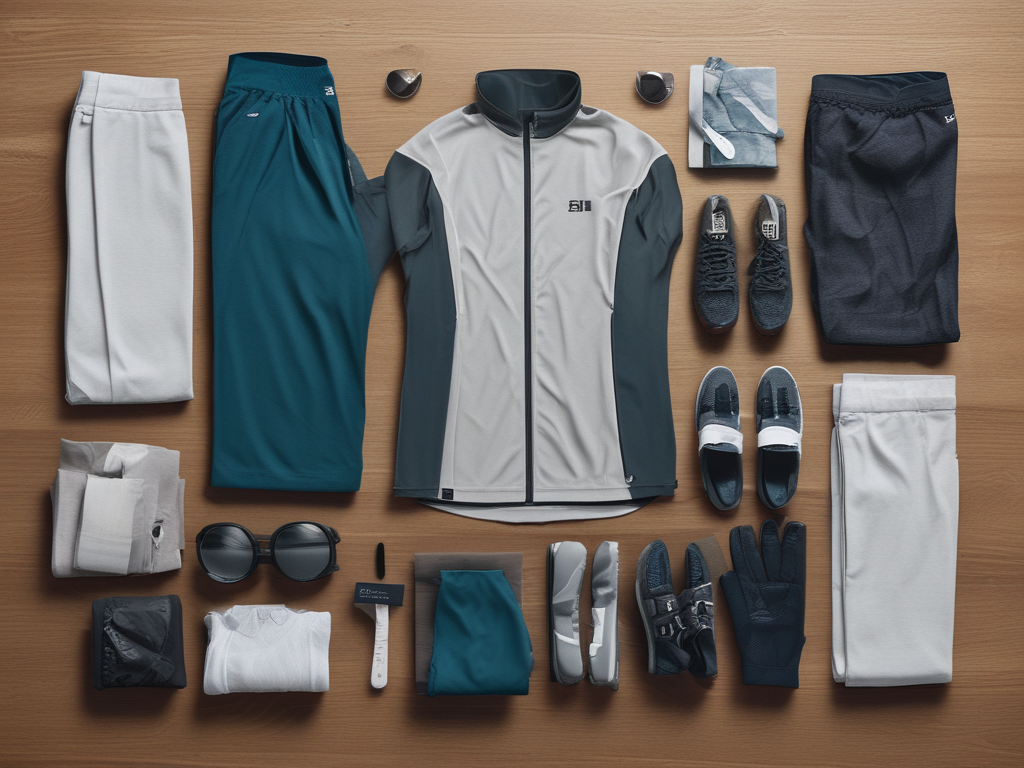
Outer Garments
There are no specific requirements for the outer garments you choose to wear, the following tips can help you determine what to wear:
- Material should be lightweight and breathable if possible.
- Look for articles that indicate they are moisture wicking, this means sweat will be more easily evaporated thereby helping regulate body temp. Wet clothing can become heavy and rub against the skin causing irritation.
- Some people prefer loose articles, others prefer them tight.
- Avoid clothes with tags that can be irritating
- Shorts come in a range of lengths with some styles having a built-in liner, removing the need for an extra piece of underwear.
- Determine if you need garments that contain pockets.
- Comfort should be your goal. Experiment, during training runs, with different styles and fabrics to determine what is best for you.
- Weather should be factored into what you wear on a run. Remember that shortly after you being running, your body temperature rises. You may regret layers.
- There is no ‘correct’ way to dress for running. Do you, as it is you that has to wear those clothes throughout your run.
Underwear
Support and comfort are your two most important considerations when it comes to underwear.
- A sports bra for women will provide chest support.
- Men should consider how much they need/want to support the twig and berries. Options include:
- Only using the liner in running shorts.
- Using the liner + some other form of underwear.
- Normal briefs/boxers/boxer briefs
- Compression shorts/jock strap
- I would not recommend going commando. Sure you might not injure the boys by putting them in a pseudo rock tumbler, but why risk it.
- Socks should be lightweight material that will not take up too much room in your shoe or cause your feet to slide in the shoe.
- All undergarments should be moisture wicking to help keep your more sensitive areas dry.
Wearables/Accessories
Avoid wearing accessories that will bounce around or cause irritation or distraction while running. These would include things like necklaces, bracelets, dangling earrings, etc.
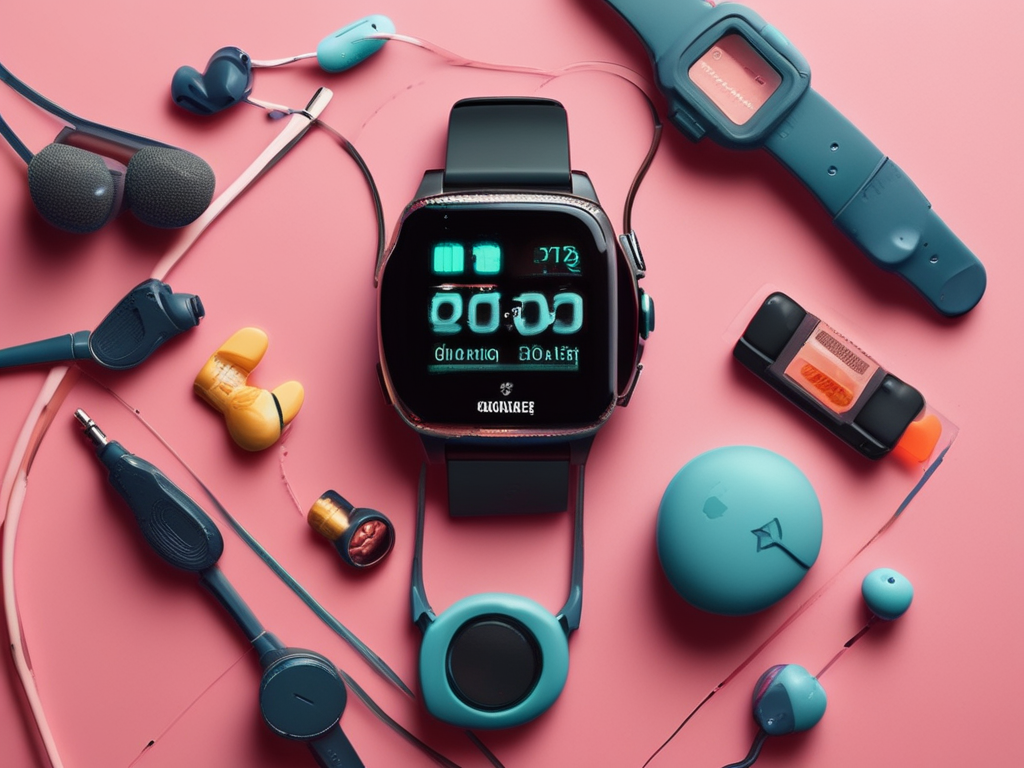
There are wearables designed specifically for sport or more specifically for running that you may want to consider wearing.
Watch
You will most likely want to wear a watch of some kind while running. Even a basic watch that only gives you time is of use, however watches designed with additional features for runners are often desired.
A watch (and more specifically a sports watch) will help you track your time and other important information like pace, cadence, heart rate, etc.
Heart Rate Monitor
Many runners will use their heart rate, more specifically heart rate zones, to determine how hard to push during training. Training runs have various goals and those goals can be associated with heart rate zones to gauge intensity. For instance, paces for a progression run might be established based on which heart rate zone each pace falls in. This is important information to know if the goal for your training run is to push to your lactate threshold.
These monitors are usually a small device in the middle of a strap that goes around the chest, forearm or upper arm and connect to a device like a sports watch or smart phone.
Other trackers
Runners might also wear other trackers that monitor specific attributes like body temperature, blood oxygen saturation (spO2), pace, ground contact time, etc.
Eye Wear
Protecting your eyes from wind, bugs, and the sun is important while running. If you wear prescription glasses, there are frames designed for sports like running and biking. Sunglasses, both prescription and non-prescription can also be found useful during running and come with various design adaptations to ensure the glasses stay in place while running.
If you are like me and require reading glasses to see the smaller font size on your sports watch, there are both clear and sun glass products available that provide a bifocal to allow for reading your wearable while running.
Headphones
Some runners like to listen to music while running. Having a pair of headphones or earbuds will allow not only give you access to music, but allow you to hear commands or information from your sports watch or sports app on your phone.
Sweat Absorbers
Let’s go back to the ’80 and dig out your neon head and wrist bands! Some form of sweat absorption while running is a great idea. There is nothing more annoying that having sweat sting your eyes while you are trying to push through that wall. Yes, it might look silly, but wear the head band and/or wrist band so you can take care of that pesky drip.
Braces/Tapes
Injuries happen. Assisting your body to prevent further injury and stabilize an injured or an injury prone area is important if you must risk running. Sports tapes and braces will fill that role. You may be someone like me that is prone to patellar tendonitis, I wear a patella strap to help keep swelling down, reduce pain and get rid of that annoying popping sound.
Shoes
This is a complicated topic so I am only going to touch on key points here.
I would say the two most important things to know about your feet before slipping on a pair of shoes and going for a run are:
- Do you overpronate
- What is the actual size of your feet
You can go to a shoe store or running store to have your feet measured (one is usually slightly larger) and check your pronation.
Regardless of what kind/type of shoe you are going to use for running, you will want to know these two key pieces of information to ensure you are getting a correct fit and that you are avoiding injury if you need extra support in your shoes.
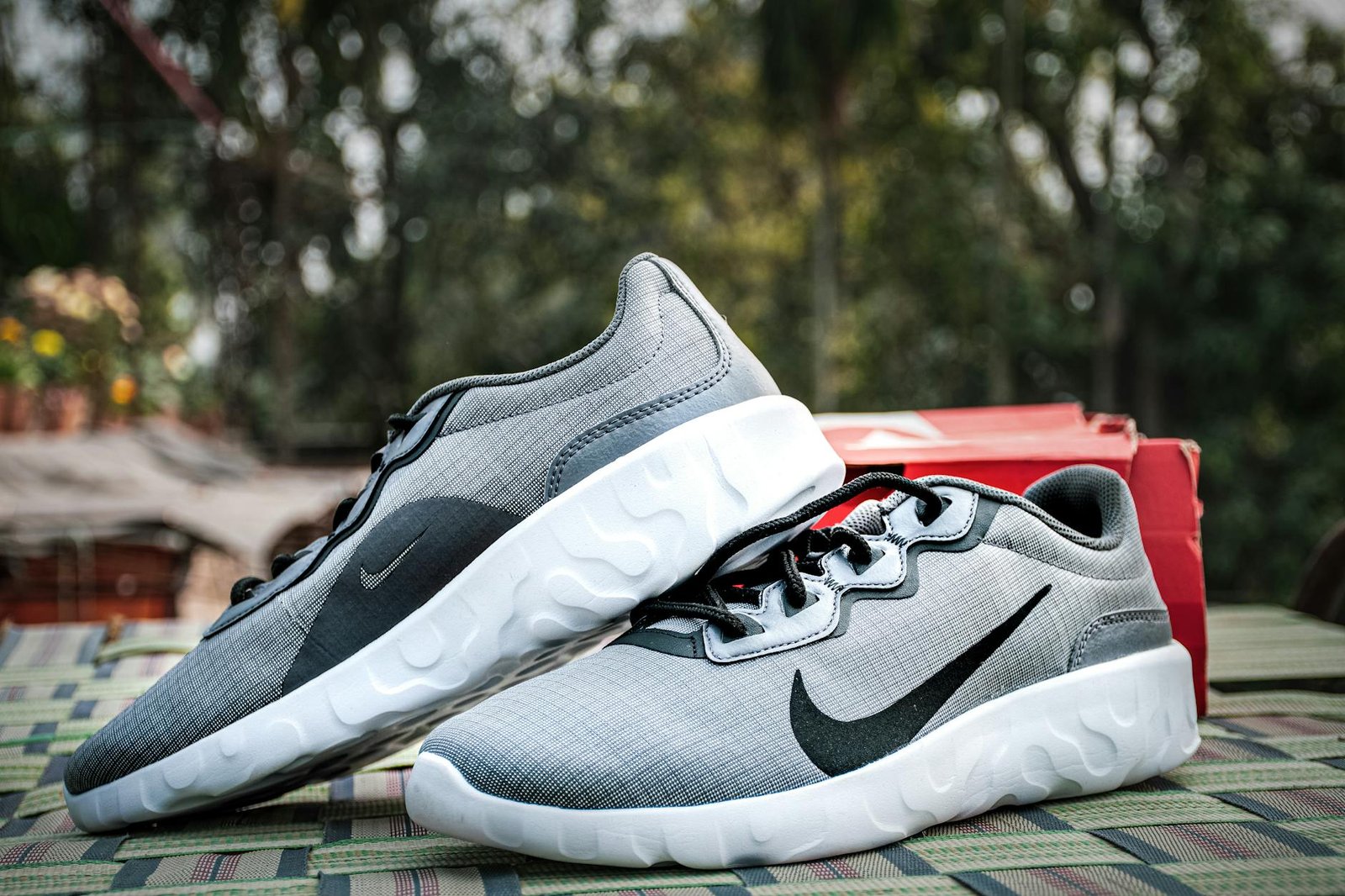
Running shoes come in two basic types:
- Stability – provides support for overpronators
- Neutral – for everyone else
Beyond size and type, there is a plethora of shoes and a list of shoe related terms just waiting to confused the hell out of new runners. Here is a simple guide:
- Do not spend more than $60 on your first pair of shoes. The price on shoes can go up above $300 and are unnecessary for most runners.
- When you are new, avoid the carbon plated shoe trap
- A new runner should go for more cushion, it will typically make your runs less painful, more enjoyable and you’ll be more likely to stick with running. You can experiment with cushioning later.
- Your feet swell when you run so plan to get a shoe that is a half or full size larger than your largest foot. General rule.. you should be able to fit the width of your thumb between your longest toe and the end of the shoe.
- You want a shoe with good traction if you are running in wet conditions.
- Get a shoe that has a decent mesh design on the top so your foot can breath and stay cooler.
- Lace your shoes snug, but not too tight. You want your feet to move around as little as possible in the shoe to prevent blisters. General rule.. you should just barely be able to fit your finger between your heel and the back of the shoe.
- New runners should really only care about coloration if you will be running in lower light (say dawn or dusk) so your shoes will be visible to others. Think bright/reflective colors and avoid running in black shoes when it is dark out.
Chafing Protection
Let’s face it, chafing sucks. The pain, the bleeding, the sting. Even worse when you can feel it starting before your run is over. You just know what is waiting for you when you finish your run. So what the heck can you do about it?
There are a number of things you can do actually:
- Ensuring your clothing is moisture wicking while help keep your skin dry and less prone to chafing.
- There are lubricants and powders designed for runners that can be applied to areas prone to chafing like the feet, thighs, groin, buttocks and armpits. Some people prefer powders while others prefer lubricants. There are products available in sporting goods/health sections of most stores to meet your needs. I use a product that look just like stick deodorant. You simply rub it on the areas you want to cover.
- Band-Aids can be applied to your nipples to prevent or reduce chafing in that area. Few things worse than running that long race and having your bleeding/sore nips being rubbed by your shirt with every step.
Conclusion
I hope that this information has been useful. I am still fairly new to running (having only started a year ago) and I often find myself lost/confused about some aspect of this topic. It is important not to get caught in the riptide that is sportswear and end up spending much more than you should for things you might not even use often. Start simple, buy the cheap stuff and replace it with better stuff later when you have a clearer idea of what you need/want.
Some of these gear categories are complicated and I will be dedicating separate blog posts to them. I will provide more detail about my experiences and mistakes when it comes to purchasing shoes, clothes and other wearables.
If you have questions about any of the information in this guide, please do share via comments. I look forward to hearing how this information has helped you!